Road traffic injuries are the leading cause of death for children and young people across Africa. Safe Schools Africa – implemented by Amend with support from the FIA Foundation, AFD, TYPSA Foundation and others – is the only proven programme that systematically builds child pedestrian safety directly into the continent’s road projects.
A Crisis Hidden in Plain Sight
Every year, more than 225,000 people die from road traffic injuries in Africa. The continent accounts for nearly 20% of global road deaths despite having just 15% of the world’s population and 3% of its vehicles. With rapid urbanisation and motorisation accelerating across the region, the trend is moving in the wrong direction: between 2010 and 2021, road fatalities increased by 17%.
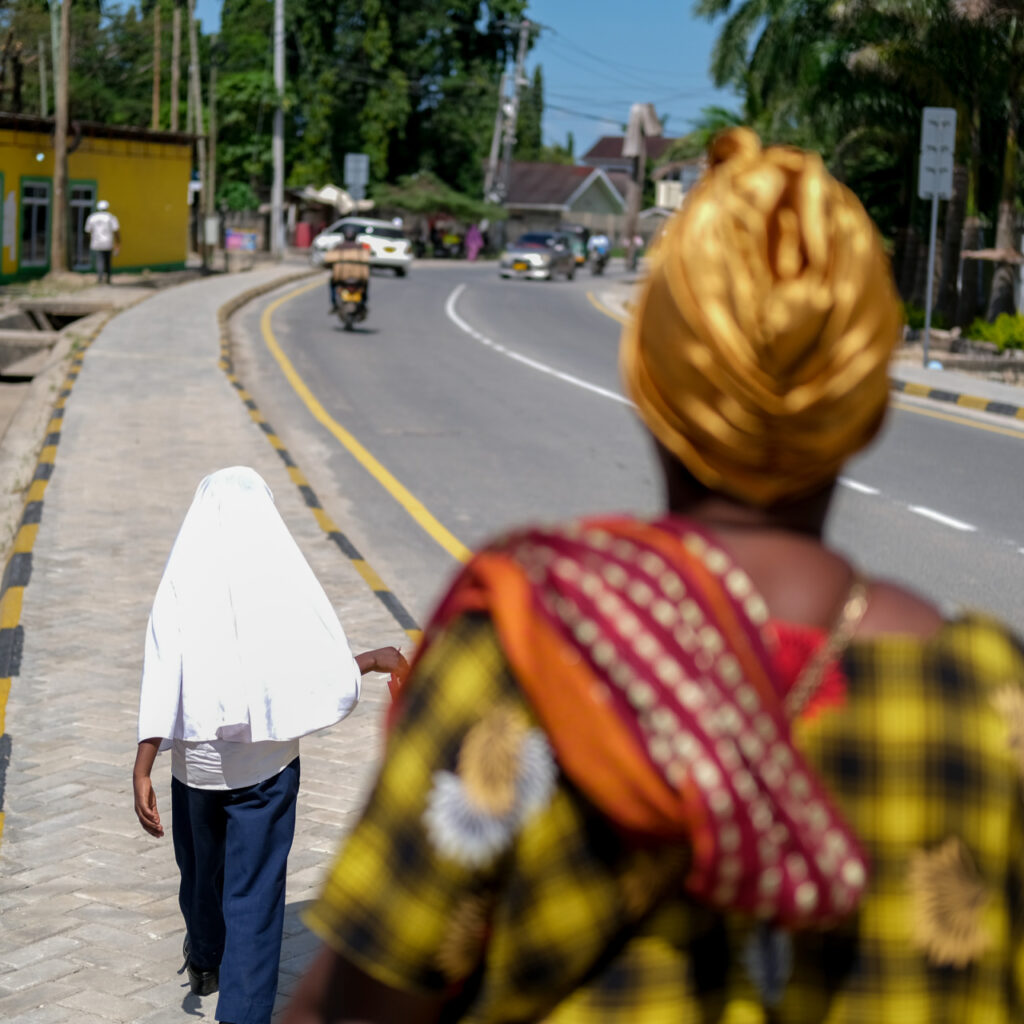
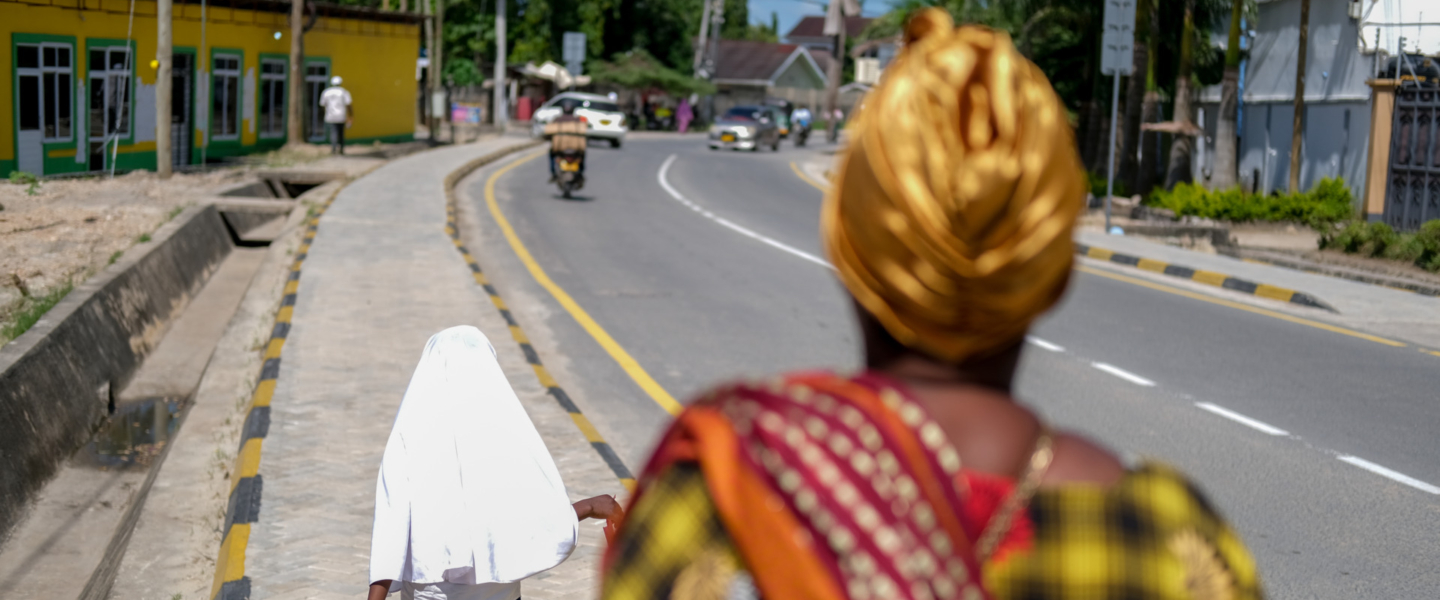
At the heart of this crisis are children. Road traffic injuries are the leading cause of death globally for children and young people aged 5 to 29. Millions of children across Africa have no choice other than to walk to school along dangerous roads without footpaths, safe crossings, or measures to slow vehicles passing within metres of them.
Musa Hussein’s story captures this reality. He was just five years old when he was struck by a truck walking to school in Dar es Salaam, Tanzania. His leg was amputated below the knee. His family spent over US$ 1,000 on treatment, nearly a year’s income, relying on relatives and community support to cover the cost. Musa missed two years of school and continues to live with the psychological effects of the crash. Now 14, he still walks to school along the same busy road, without pedestrian footpaths or traffic calming. Sometimes, when a large truck passes, he throws himself into the roadside ditch.
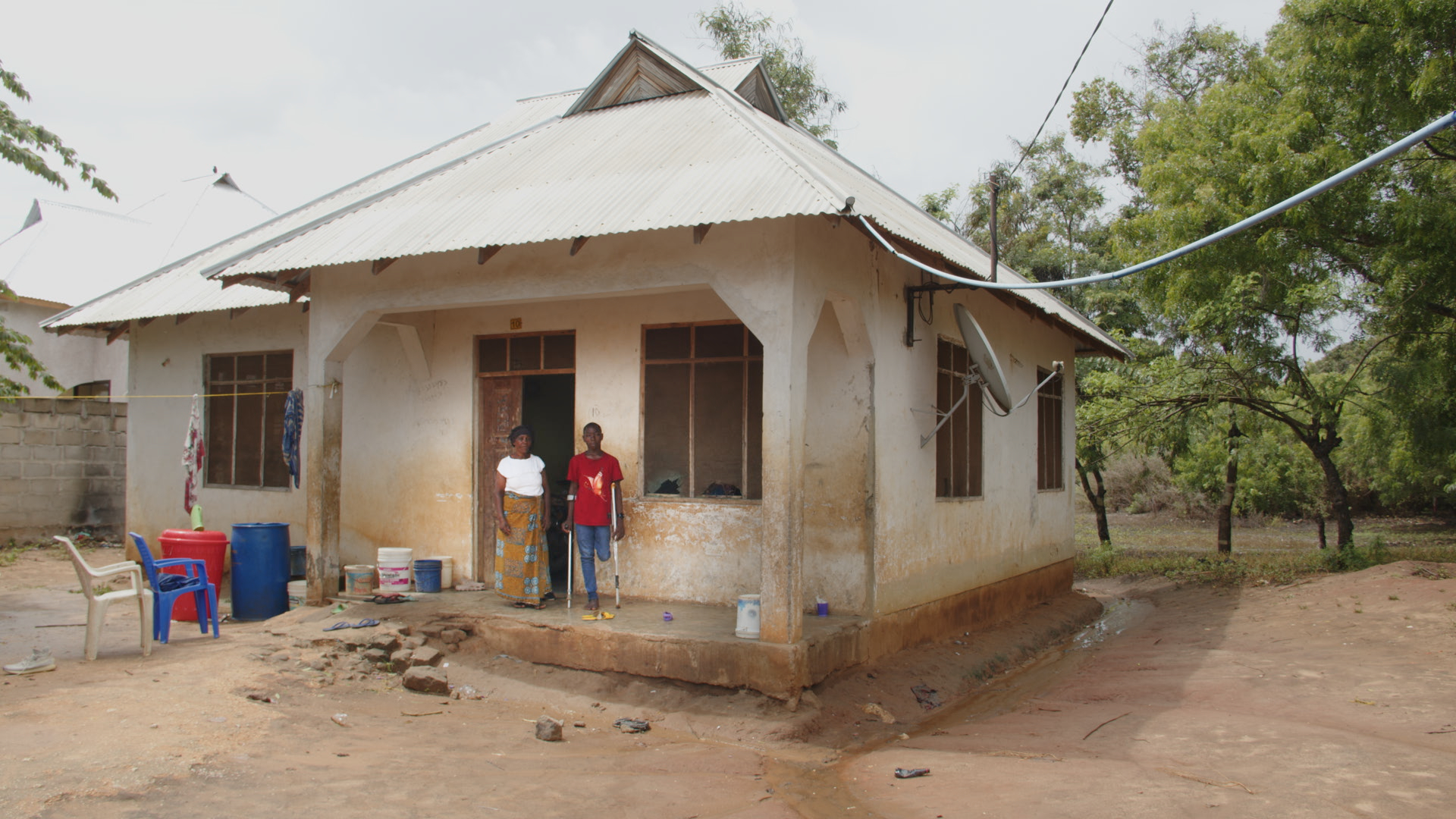
Musa’s story is not an exception. It is the daily reality for millions of children across the continent. And it is preventable.
Why Dangerous Roads Keep Being Built
Roads are a cornerstone of development. The OECD estimates that improved infrastructure, particularly roads, can increase an African nation’s GDP by 4% to 6%. Roads are popular, politically powerful, and urgently needed. The problem is not a lack of will. No government or development bank sets out to build infrastructure that puts children at risk. The challenge is that existing systems still allow high-risk designs to become built roads.
Two structural problems sit at the root of the issue:
- The first is a lack of capacity. Engineering training and design manuals in many African countries have historically focused on vehicle movement, with little or no guidance on designing for pedestrians and other vulnerable road users. Even where engineers understand these risks, many are overstretched, managing complex land and budget constraints with limited capacity to address specific needs such as school safety.
- The second is a conflict of priorities. The political and economic logic of road projects pushes relentlessly toward speed. Even when road safety requirements are written into loan agreements or contractor terms of reference, there is no guarantee they will be delivered – unless there is dedicated, sustained focus on child pedestrian safety. In practice, safety features are often dropped when timelines tighten or budgets are under pressure.
The Solution: Safe Schools Africa
Safe Schools Africa is a focused, scalable programme that addresses this challenge at its source. Implemented by Amend, the road safety not-for-profit with over 20 years of experience across Africa, the programme works directly with governments and development banks to embed child pedestrian safety into the road projects that are reshaping the continent’s infrastructure. The model has two core components:
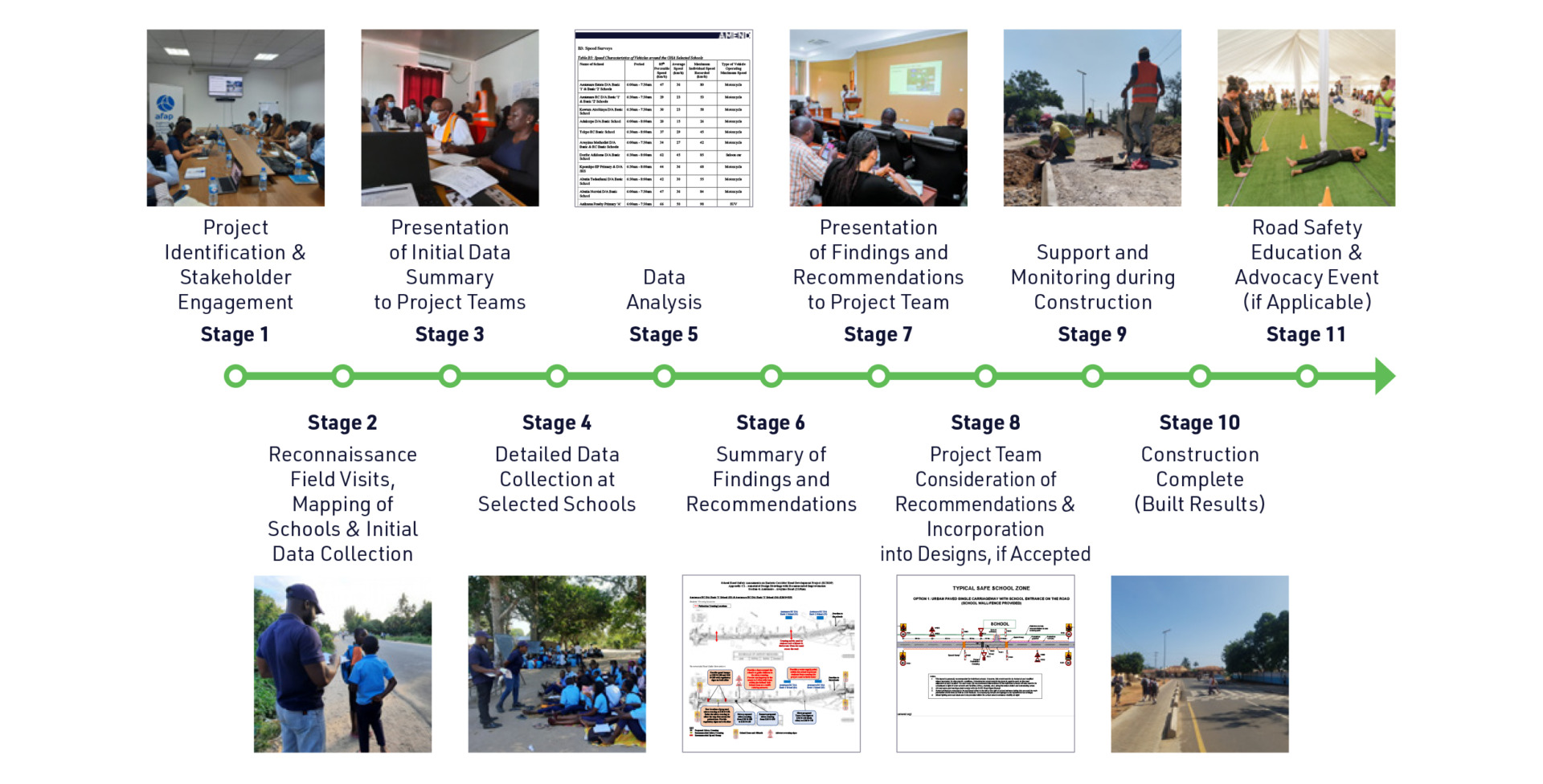
- Technical Assistance for Safe School Infrastructure. Safe Schools Africa’s engineers and social experts work directly with the teams delivering major road projects, including government road agencies, engineering firms and development bank staff. Their support spans the full project cycle, from early planning and design through to construction and monitoring. Through a comprehensive 11-stage approach, the team provides input as early as possible, when safety recommendations have the greatest chance of shaping final road designs.
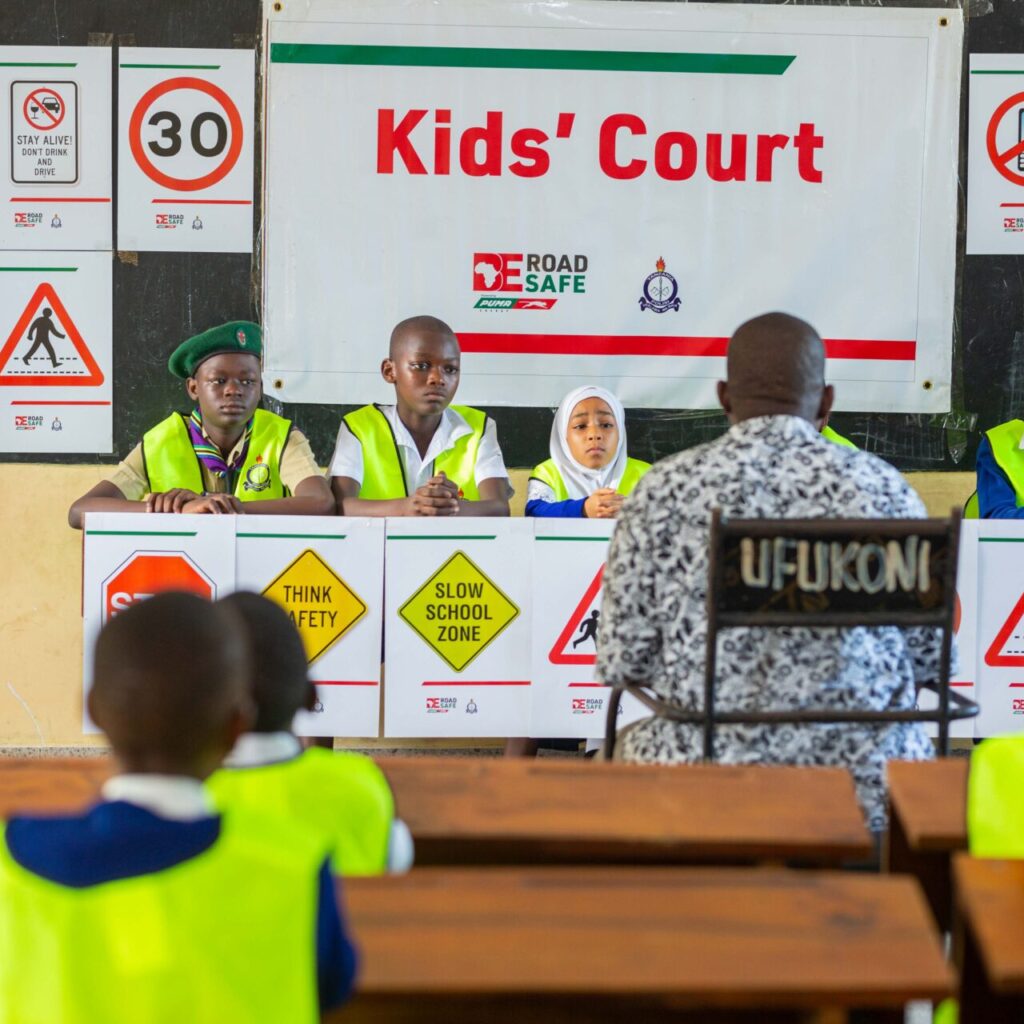
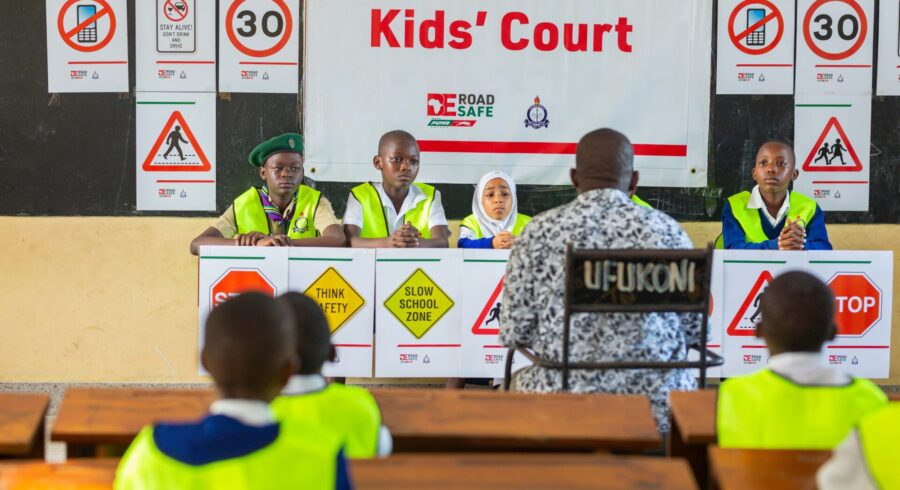
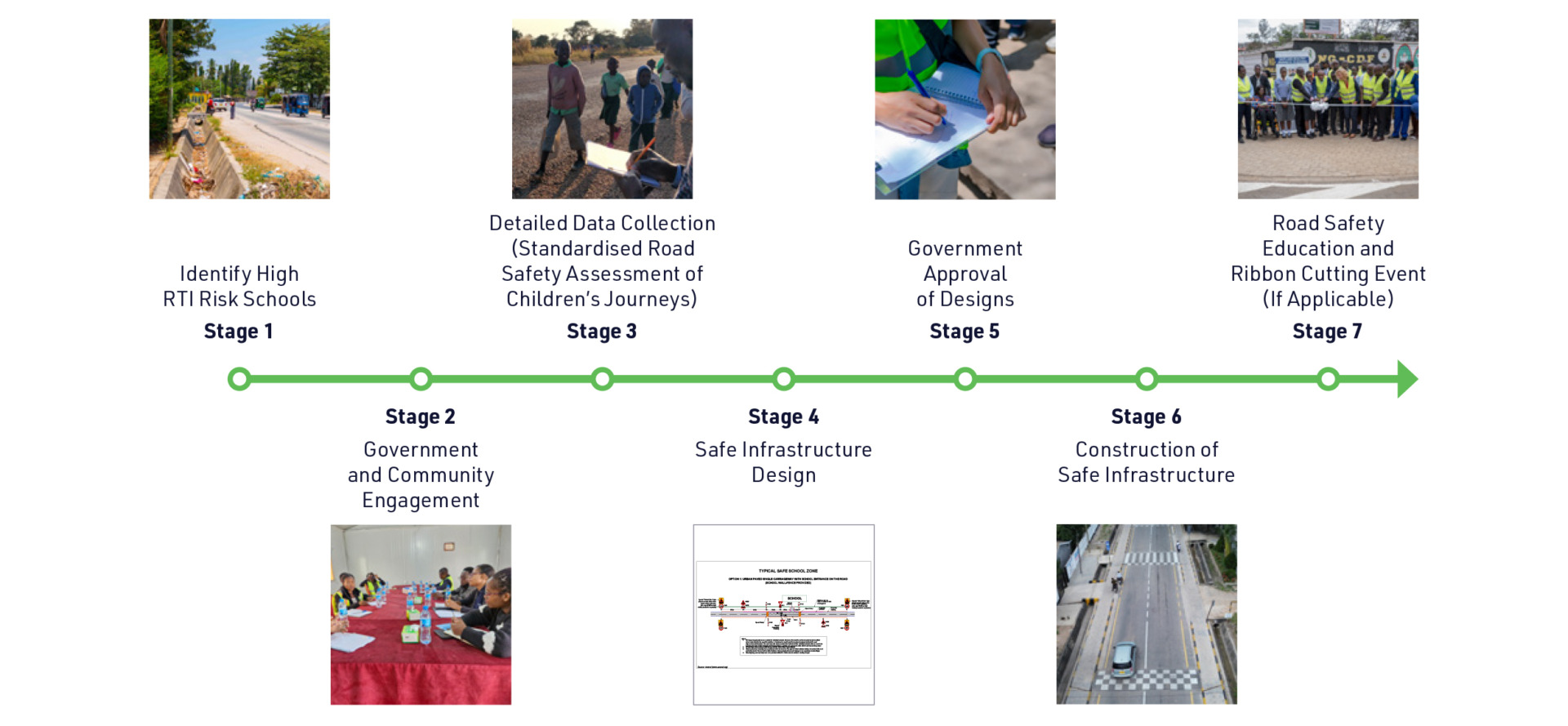
- Installation of Safe School Zones. Safe Schools Africa also directly installs Safe School Zones around high-risk schools, using Amend’s award-winning SARSAI methodology (School Area Road Safety Assessments and Improvements). The process includes identifying schools where children are most at risk, engaging with governments and communities, designing safe infrastructure, securing government approval and overseeing construction. A completed Safe School Zone typically includes footpaths, raised crossings, speed humps, bollards, school-zone signage and 30 km/h speed limits.
The evidence behind these interventions is clear. At 30 km/h, a vehicle-pedestrian collision carries around a10% chance of proving fatal. At 50 km/h, that figure exceeds 80%. The infrastructure needed to reduce this risk is well understood: separate children from traffic where possible, slow vehicles where interaction is unavoidable, and create safe places to cross. The harder task is ensuring these measures are not lost during the design and delivery of major road projects.
Safe Schools Africa exists to make that happen, translating proven safety principles into infrastructure that protects children in practice.
Results Across the Continent
To date, Safe Schools Africa has delivered safe pedestrian infrastructure around hundreds of schools across 14 countries, benefiting hundreds of thousands of schoolchildren and millions of local community members. The programme’s assistance has resulted in over US$ 7.5 million committed to safe school infrastructure since 2022, with more than US$ 19 million in the pipeline for future commitments.
These results are already visible in road projects and school communities across the continent.
Case study: People-Centred Design in Tanzania
Safe Schools Africa partnered with the World Bank’s Roads to Inclusion and Socioeconomic Opportunities (RISE) project, working from the earliest preparation phase to develop and embed a ‘People-Centred Design’ methodology across all stages of implementation. The approach, which involves detailed assessments of children’s actual journeys and the risks they face, as well as direct community consultation, became a defining feature of one of the continent’s most significant rural road programmes.
Case Study: Data-Driven Recommendations in Mozambique
Safe Schools Africa’s engagement with the Maputo Metropolitan Area Urban Mobility (MOVE) Project led to detailed road safety assessments along three connector roads used by children from 15 local schools. Using drone technology and specialist software, the team provided specific recommendations for safe crossing points and school zones, which were successfully integrated and funded through the main project budget.
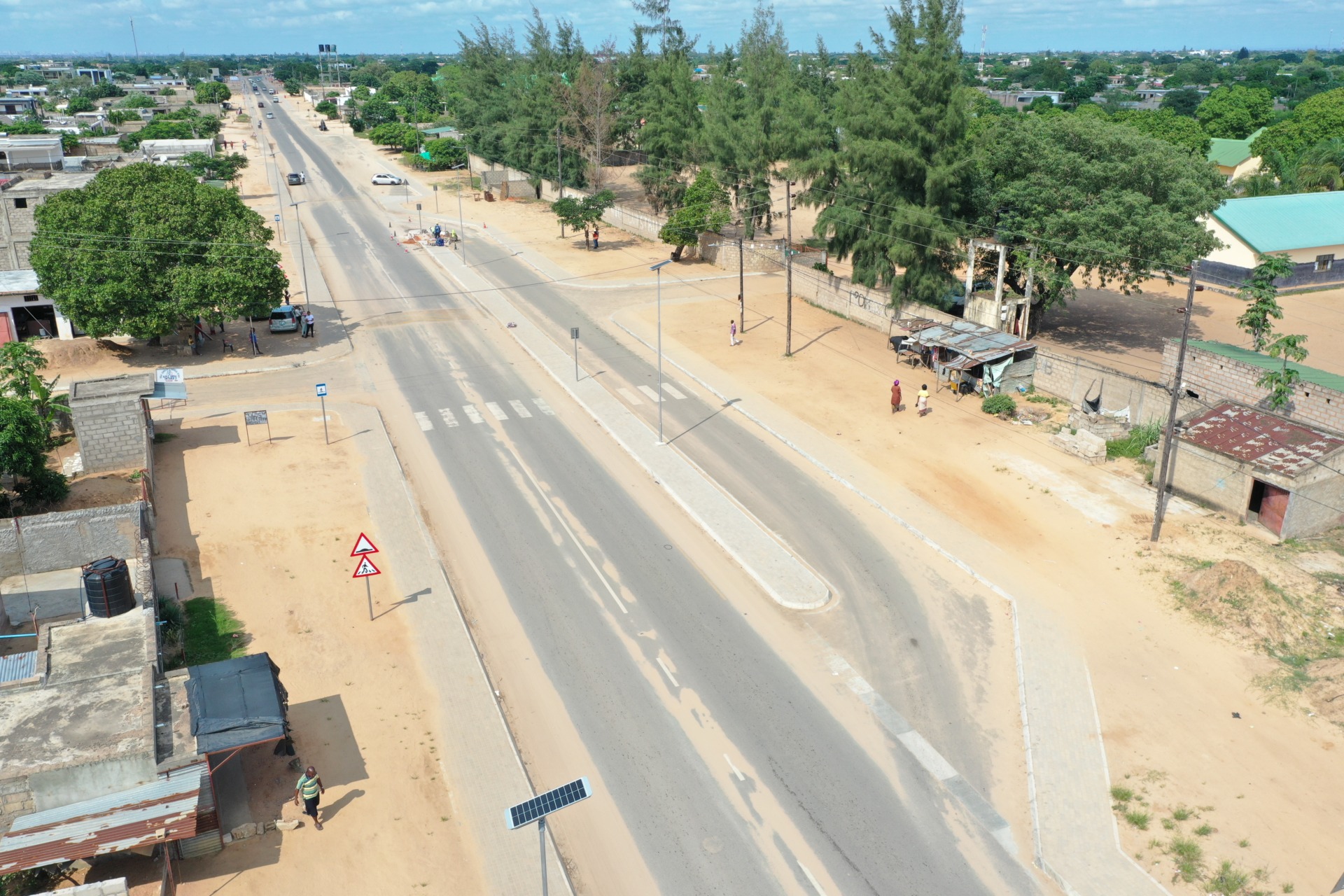
In the words of Maria de Fatima S R Arthur, Project Implementation Unit Coordinator, MOVE Project – Mozambique:
The Safe Schools Africa implementation team provided excellent mapping of needs and good technical knowledge about safety. We are adjusting our designs to incorporate Safe Schools Africa’s recommendations.
Case Study: Safe School Zones in Côte d’Ivoire
Safe Schools Africa implemented demonstration projects in Bouaké with immediate and measurable effects. Before Amend’s involvement, five students at one school had been injured in traffic accidents in a single year. After the installation of a Safe School Zone, including speed humps, a raised pedestrian crossing, protected footpaths, and bollards, vehicle speeds dropped to under 30 km/h.
The success of these demonstration projects catalysed a five-year, €3.84 million investment from Agence Française de Développement (AFD) and the European Union, as part of the wider €55 million urban mobility programme in Bouaké. Safe Schools Africa is now working to create Safe School Zones around more than 50 schools serving over 30,000 students in the city.
Looking Ahead
Roads are being financed and built across Africa at a rapid pace. At any given moment, hundreds of large road projects are underway across the continent. If those roads are not designed with children and other vulnerable road users in mind, they risk locking in preventable danger for decades to come.
Demand for Safe Schools Africa’s support consistently outpaces the programme’s current capacity. Governments and road agencies across the continent are asking for assistance that cannot yet be fully met. There is a clear opportunity to apply proven, cost-effective interventions at scale while many road projects are still in planning or delivery.
Safe Schools Africa’s ambition is straightforward: a future where all children in Africa are safe travelling to and from school, and where safe design for all road users becomes standard practice.. The programme is fundamentally changing how Africa builds its future, embedding life-saving principles into road projects to protect the continent’s greatest asset: its children.
Read the full Safe Schools Africa Prospectus for more on the programme’s methodology, results and project examples.