Road traffic injuries remain one of the leading causes of death for children across Africa. The engineering solutions to prevent them exist. The challenge is ensuring those solutions are built into road projects from the ground up – before designs are finalised, contracts are signed, and opportunities are lost.
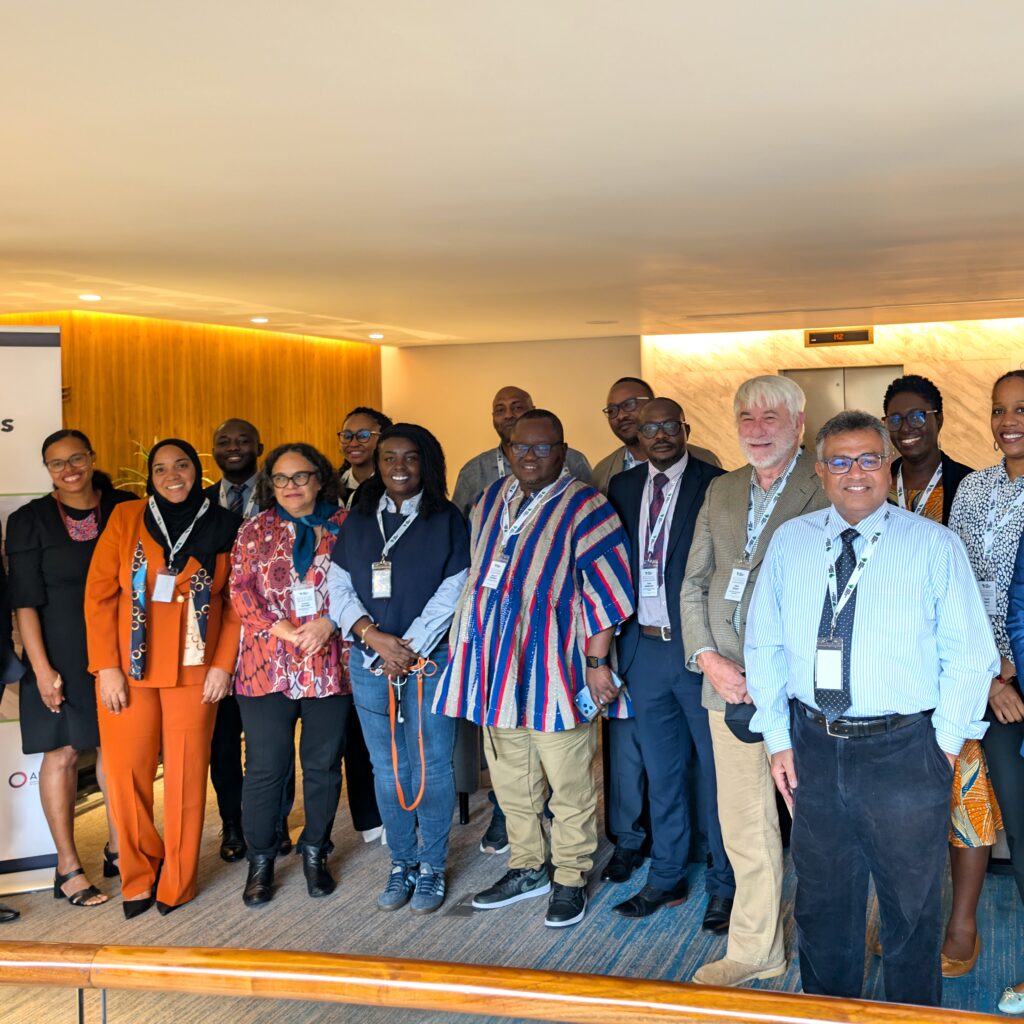
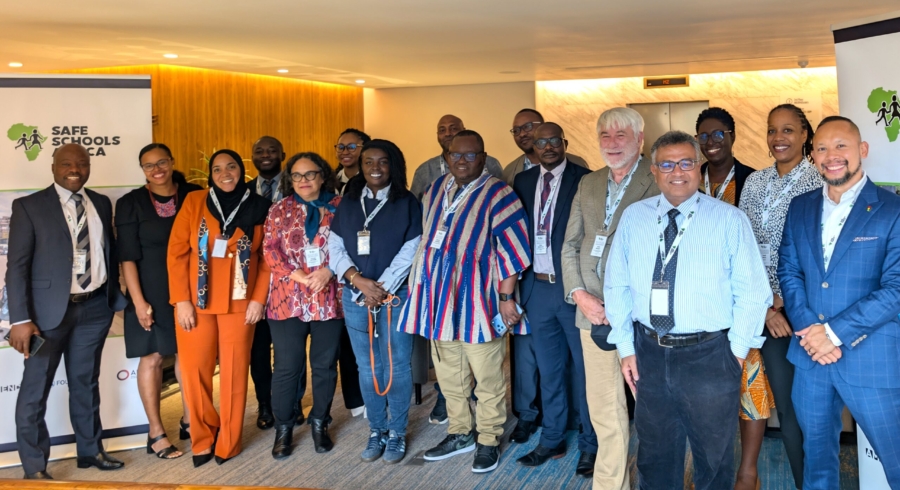
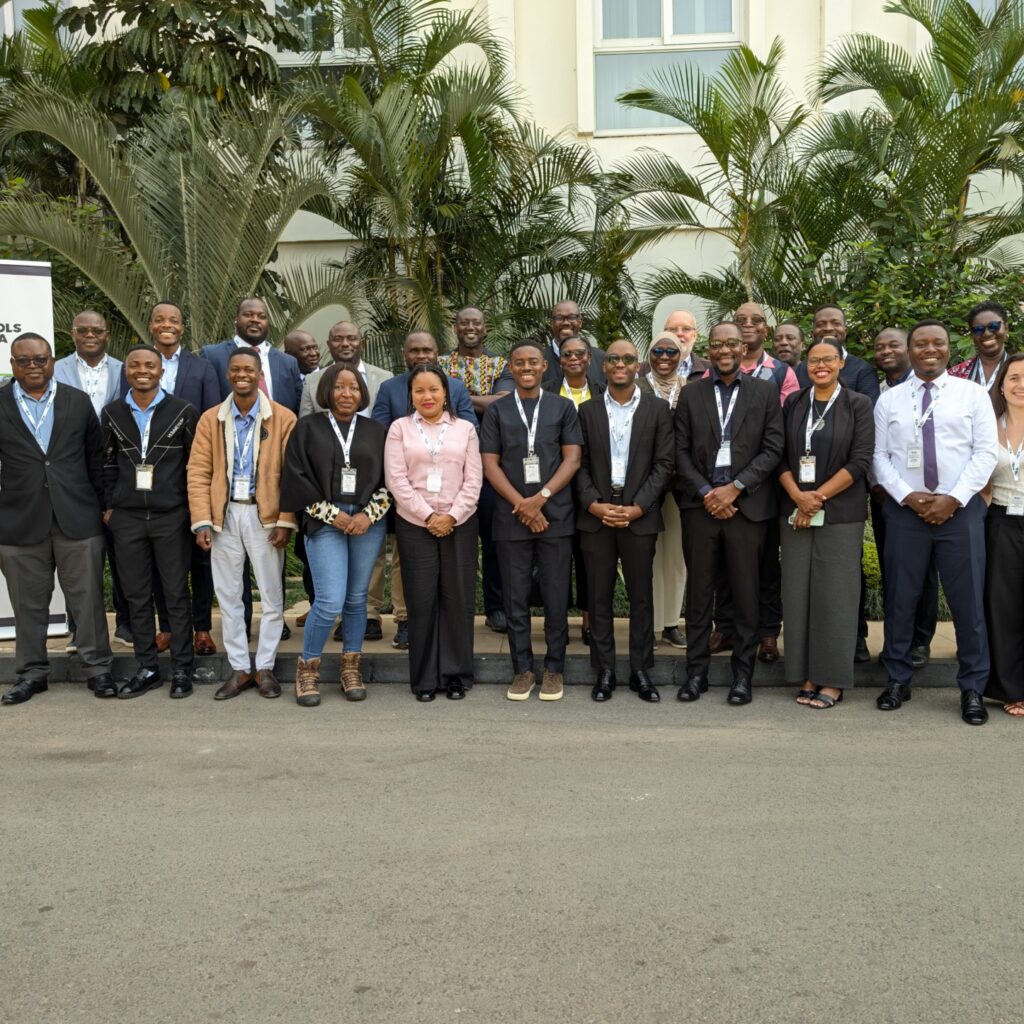
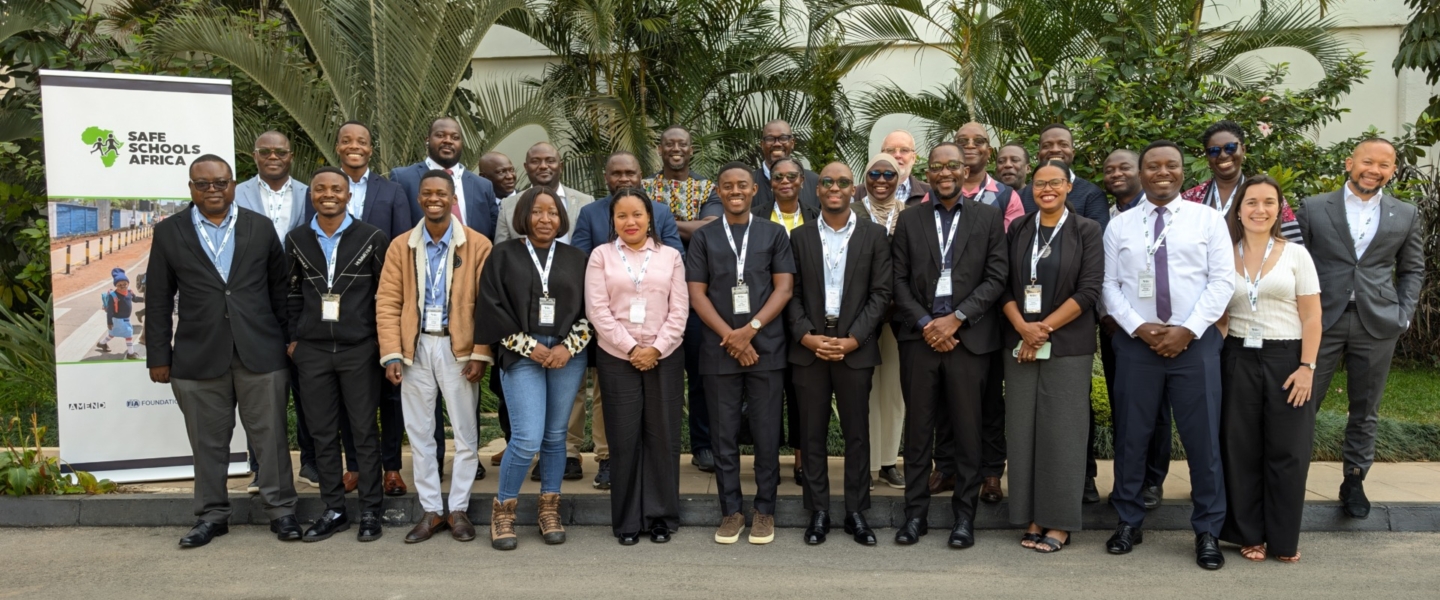
To address this challenge head on, Amend and the FIA Foundation hosted a two-day technical workshop in Lusaka, Zambia: The Road to Safer Schools – Practical Strategies for School Zone Safety. Bringing together 20 engineers, planners, and road safety practitioners from across Sub-Saharan Africa, the event prioritised hands-on problem-solving, field observation, and peer exchange over traditional presentations – with a clear shared goal: practical tools and engineering solutions that practitioners could take home and apply.
Grounding the Work in Human Reality
The workshop opened with remarks from Ayikai Poswayo, Safe Schools Africa Programme Director at Amend, and Eng. Stephen Malubila, Project Manager for the Improved Rural Connectivity Project at the Road Development Agency in Zambia. Atsani Ariobowo, Director of Child and Youth Health at the FIA Foundation, then set the scene with a global overview of child road traffic injuries.
Together, the speakers established a clear mission: road projects must actively protect vulnerable road users, placing children at the centre of infrastructure design.
Before moving into technical content, participants reflected on their own national contexts in a short interactive exercise – making visible what practitioners across the region often encounter in isolation. A short film told the stories of road traffic victims from five countries, closing with a first-hand account from an emergency physician. The response in the room was immediate. It set the tone for everything that followed: a recognition that the technical and budgetary decisions shaping road projects have profound, direct consequences for children’s lives – and that finding ways to prioritise child safety within those real-world constraints is both necessary and possible.
Learning from the Field: Case Studies and Site Visits
Cross-Continental Exchange
Amend’s senior project team led a knowledge exchange drawing on field experience from Zambia, Tanzania, Ghana, Côte d’Ivoire, and Mozambique. The discussions surfaced challenges that practitioners across the continent consistently share:
- Pedestrian desire lines: children rarely follow engineered walkways when faster or more direct informal routes exist – a reality that designs must accommodate, not fight against.
- Speed management: effective interventions vary significantly by road type, and a measure appropriate for a trunk road may be wholly unsuitable on a rural feeder road.
- Project constraints: limited budgets, long-term maintenance burdens, and stakeholder buy-in remain persistent obstacles in every country represented.
From the Conference Room to the Street
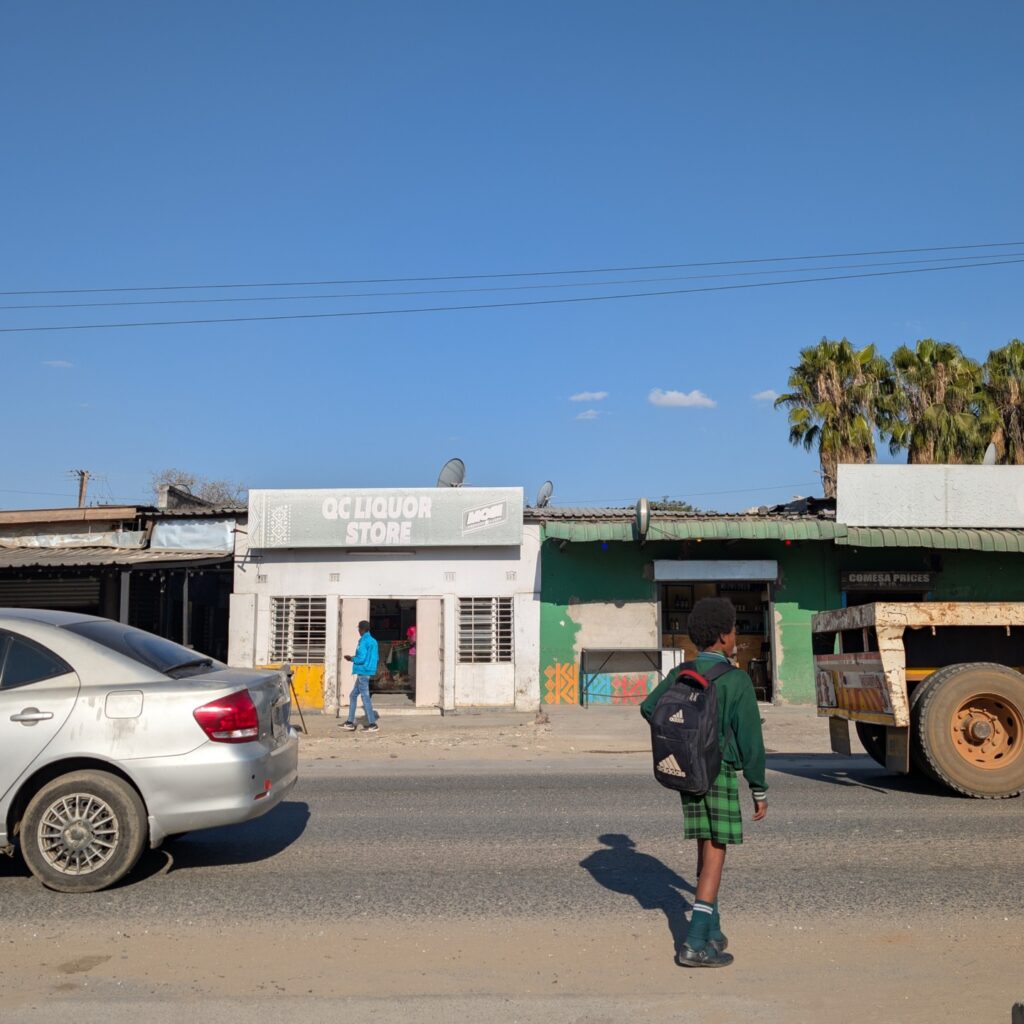
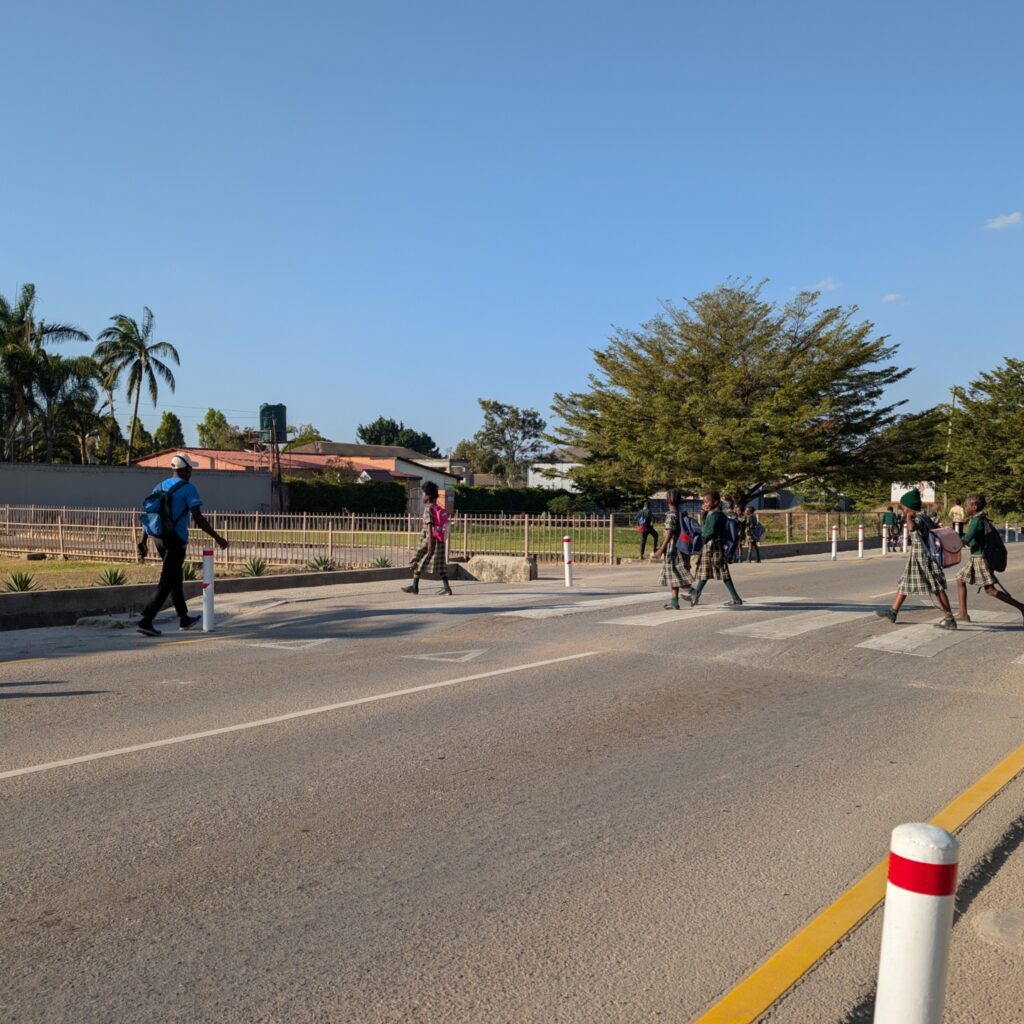
In the afternoon, participants moved the workshop out of the room and into the streets of Lusaka. The group visited two schools: Ngwelele Primary School, where safe school zone interventions are urgently needed, and Northmead Primary and Secondary Schools, where some safe school zone features are already in place.
Analysing how infrastructure functions in real time – watching how children actually move, where they cross, and where hazards emerge – gave participants the raw material they would carry into Day 2.
Design Under Pressure
Day 2 transformed field observations into engineering solutions. Working in teams, participants undertook a “Design Under Pressure” exercise: drafting a complete Safe School Zone plan for Ngwelele Primary School, using data gathered the previous day.
Each team’s brief focused on four critical design layers:
- School Zone Gateways: defining distinct entry and exit limits from both road approaches.
- Speed Management: establishing school-zone speed limits alongside specific dimensions, spacing, and counts for traffic calming measures.
- Pedestrian Facilities: designating safe crossing points and defining footpath networks – widths, surface types, and edge treatments – tailored to how students actually move.
- Signs and Markings: standardising all regulatory signage, road markings, and optimal school gate placements.
The exercise emphasised not just what to build, but why each element serves child safety – and how to make the case for it within real-world project constraints.
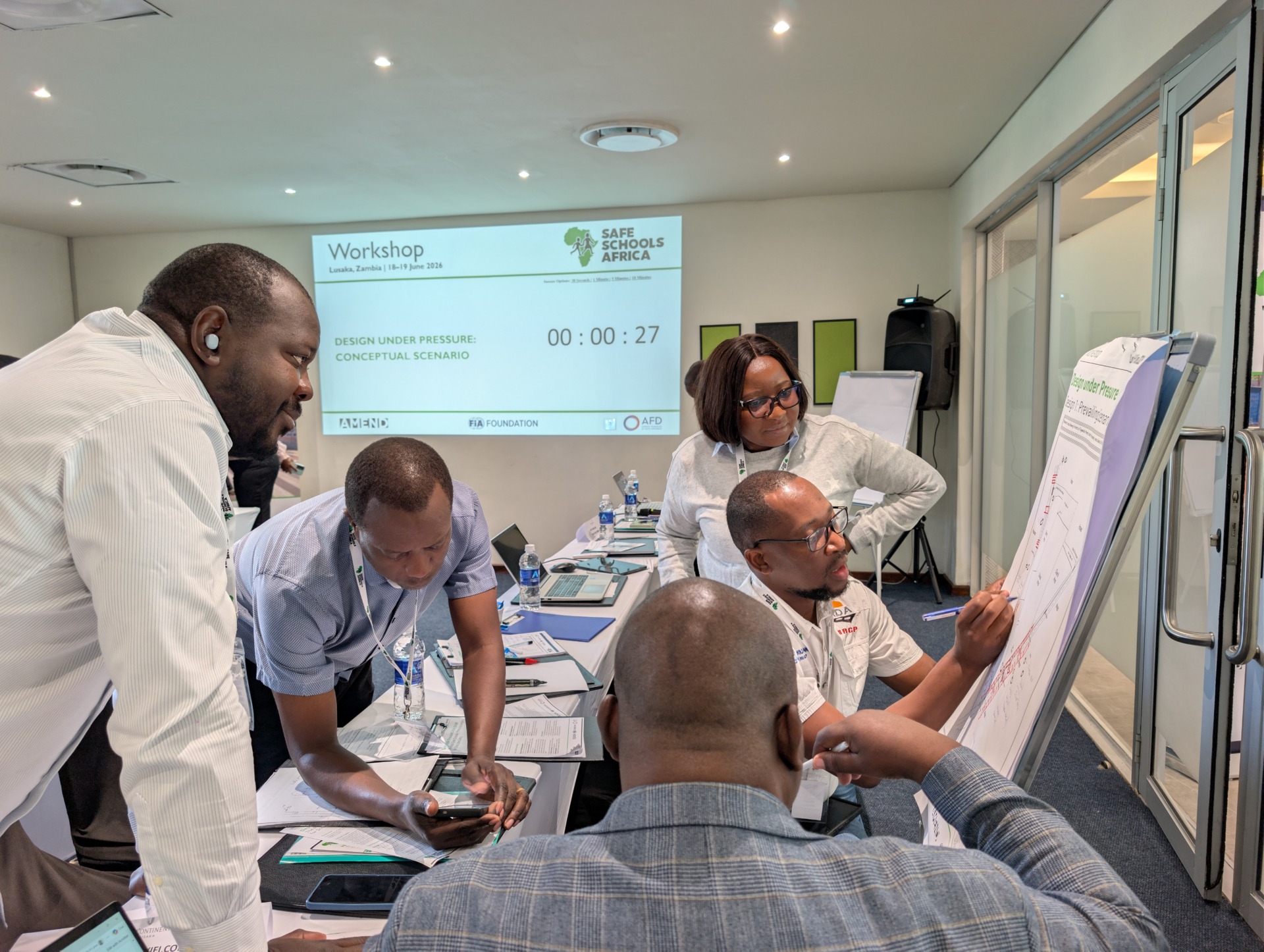
Teams then re-applied their designs to three contrasting road environments – a high-volume trunk road, an unpaved rural road with heavy motorcycle traffic, and an urban dual carriageway – making explicit how solutions must adapt to context.
Key Takeaways for Road Agencies and Practitioners
The two days generated substantive technical debate. Four themes emerged with particular force.
1. The Motorcycle and Three-Wheeler Challenge
Participants flagged a growing hazard: motorcycles and three-wheelers increasingly encroach onto pedestrian infrastructure, including school walkways. The group discussed combining enforcement with physical engineering responses – including motorcycle barriers on footpaths – as a necessary component of comprehensive school zone design in many African contexts.
2. Context-Specific Design Is Non-Negotiable
There is no universal template for a safe school zone. Engineering responses must be calibrated to road classification:
- Trunk roads: high speeds demand a gradual step down in speed and/or complete physical separation of pedestrians.
- Unpaved rural roads: durable, low-maintenance materials and high-visibility signage take priority.
- Urban dual carriageways: pedestrian refuge islands, raised crossings, and advanced warning markings become essential.
3. Safety Must Be Integrated Early
The workshop reinforced a finding at the heart of Safe Schools Africa’s work: road safety planning consistently happens too late in project lifecycles. Once detailed design is underway, meaningful improvements become harder to introduce without contract variations or additional funding.
Participants identified concrete mechanisms to change this:
- School risk mapping during initial feasibility stages
- Dedicated child safety line items in project appraisal documents
- Standard “bill of quantity menus” for school zone infrastructure
- Localised Safe School Zone manuals required as part of road project contracts
4. Design for Human Error, Not Perfect Behaviour
The workshop concluded on a principle central to modern road safety engineering: infrastructure must be forgiving. Road authorities cannot design for ideal behaviour and then blame children when mistakes happen. Layouts must be engineered so that a momentary lapse – a distracted child, a misjudged crossing – does not cost a life.
Next Steps for Safe Schools Africa
The workshop concluded with a shared commitment from the participating practitioners to integrate these life-saving design templates and procurement steps directly into their upcoming national road projects.
The data and practical feedback gathered over the two days will also directly strengthen Amend’s ongoing Safe Schools Africa methodology. By refining these toolkits and encouraging road agencies to update their design manuals, the network ensures that child safety is a foundational requirement of African road design.